



DNA/RNA Synthesis
RNA synthesis, which is also called DNA transcription, is a highly selective process. Transcription by RNA polymerase II extends beyond RNA synthesis, towards a more active role in mRNA maturation, surveillance and export to the cytoplasm.
Single-strand breaks are repaired by DNA ligase using the complementary strand of the double helix as a template, with DNA ligase creating the final phosphodiester bond to fully repair the DNA.DNA ligases discriminate against substrates containing RNA strands or mismatched base pairs at positions near the ends of the nickedDNA. Bleomycin (BLM) exerts its genotoxicity by generating free radicals, whichattack C-4′ in the deoxyribose backbone of DNA, leading to opening of the ribose ring and strand breakage; it is an S-independentradiomimetic agent that causes double-strand breaks in DNA.
First strand cDNA is synthesized using random hexamer primers and M-MuLV Reverse Transcriptase (RNase H). Second strand cDNA synthesis is subsequently performed using DNA Polymerase I and RNase H. The remaining overhangs are converted into blunt ends using exonuclease/polymerase activity. After adenylation of the 3′ ends of DNA fragments, NEBNext Adaptor with hairpin loop structure is ligated to prepare the samples for hybridization. Cell cycle and DNA replication are the top two pathways regulated by BET bromodomain inhibition. Cycloheximide blocks the translation of mRNA to protein.
DNA/RNA Synthesis Isoform Specific Products
All Product Categories
-
DNA/RNA Synthesis Inhibitors
(1447)
View all products
-
DNA/RNA Synthesis Agonists
(11)
View all products
-
DNA/RNA Synthesis Antagonists
(2)
View all products
-
DNA/RNA Synthesis Activators
(52)
View all products
-
DNA/RNA Synthesis Modulators
(34)
View all products
-
DNA/RNA Synthesis Chemicals
(20)
View all products
-
DNA/RNA Synthesis Inducers
(15)
View all products
-
DNA/RNA Synthesis Degraders
(5)
View all products
-
DNA/RNA Synthesis Controls
(5)
View all products
-
DNA/RNA Synthesis Substrates
(6)
View all products
-
DNA/RNA Synthesis Ligands
(5)
View all products
-
DNA/RNA Synthesis Related Products (2894)
Related Products (2894)

-
Antibodies (248)
-
DNA/RNA Synthesis Isoform Comparison
-
Orotidine 5′-monophosphate trisodium
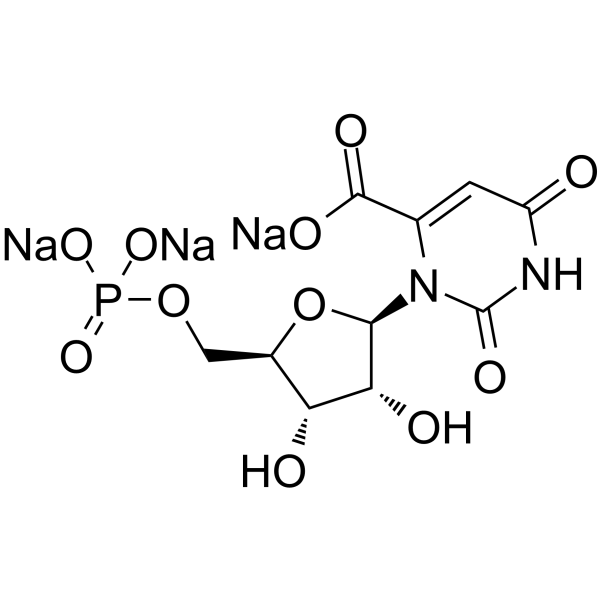 0 ImagesSynonyms: Orotidine monophosphate trisodium; Orotidylic acid trisodiumOrotidine 5'-monophosphate trisodium is a pyrimidine nucleotide. Orotidine 5'-monophosphate trisodium is synthesized via the de novo synthesis pathway for DNA synthesis in a large number of microorganisms including M. tuberculosis, S. cerevisiae, S. typhimurium and P. falciparum to name a few. The synthesis of orotidine 5'-monophosphate trisodium uses phosphoribosyl pyrophosphate (PRPP) and orotic acid (OA) as the substrates catalyzed by orotate phosphoribosyltransferase (OPRT).
-
TS-002902
 0 ImagesCat. No.: HY-169090Purity: 98.29%TS-002902 is a selective small-molecule inhibitor of TUT4 and TUT7 enzymes, with IC50 values of 0.36 nM and 9.6 nM, respectively. TS-002902 induces an antiproliferative effect in FOCAD-deficient cancer cells. TS-002902 is applicable for research on FOCAD-deficient solid tumors (including glioblastoma, non-small cell lung cancer, and pancreatic cancer).
-
Quinizarin
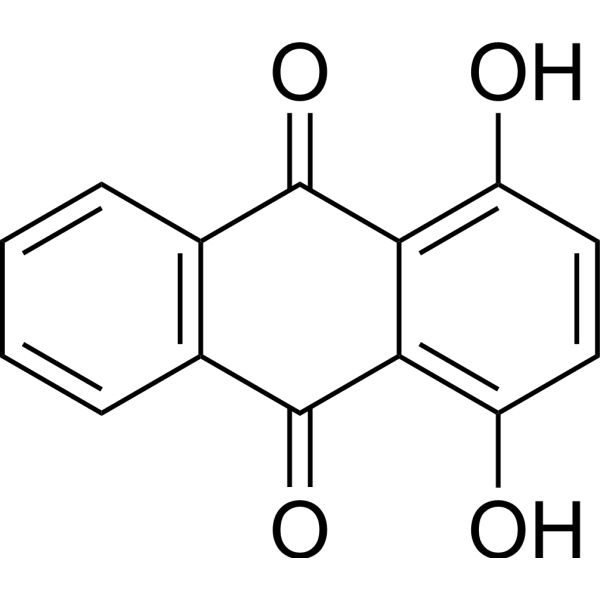 0 ImagesQuinizarin (1,4-Dihydroxyanthraquinone), a part of the anticancer agents such as Doxorubicin, Daunorubicin, and Adriamycin, interacts with DNA by intercalating mode (Kd=86.1 μM). Quinizarin is used as a fungicide and pesticide chemical and has shown the ability to inhibit tumor cell growth.
-
RTx-161
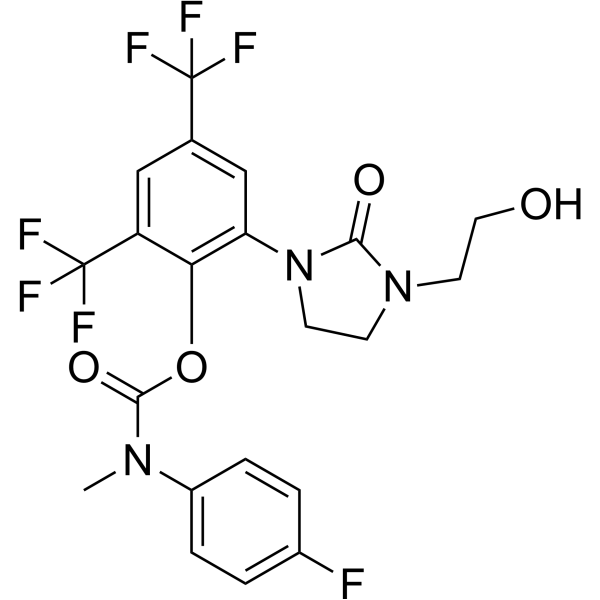 0 ImagesRTx-161 is a DNA polymerase θ inhibitor with an IC50 of 4.1 nM. RTx-161 induces DNA damage, PARP cleavage, apoptosis, and selectively kills homologous recombination-deficient (HRD) cells. RTx-161 acts synergistically with PARP inhibitors to suppress PARP inhibitor resistance in cancer cells. RTx-161 can be used for the research of BRCAG12C mutant cancer and HR-deficient cancers.
-
PT109
 0 ImagesPT109 is an orally active, blood-brain barrier permeable multi-kinase inhibitor. By inhibiting PTBP1, PT109 promotes the switch of pyruvate kinase isoform from PKM2 to PKM1, thereby effectively inhibiting the proliferation and migration of glioblastoma multiforme and inducing its reprogramming into oligodendrocytes. PT109 also targets and regulates key signaling molecules such as JNK, SGK1, GSK3β to exert neuroprotective effects including promoting neurogenesis, inducing synapse formation and alleviating neuroinflammation. In Alzheimer's disease models, PT109 exhibits significant efficacy in improving spatial learning ability, along with excellent in vivo pharmacokinetic properties. PT109 can be used to investigate metabolic reprogramming of glioblastoma multiforme and neuroprotective mechanisms of Alzheimer's disease.
-
Golodirsen sodium
 0 ImagesCat. No.: HY-132611ASynonyms: SRP-4053 sodiumGolodirsen (SRP-4053) sodium is an antisense oligonucleotide of the phophorodiamidate morpholino oligomer (PMO). Golodirsen sodium restores the reading frame of the Duchenne muscular dystrophy (DMD) gene by modifying the splicing process of the pre-mRNA, skipping exon 53. Golodirsen sodium can restore the expression of the anti-myostatin protein. Golodirsen sodium can be used for the research of duchenne muscular dystrophy (DMD).
-
Tezacitabine
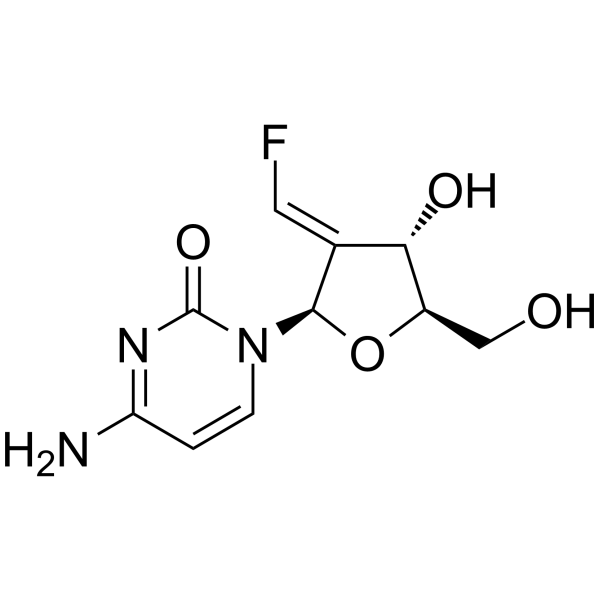 0 ImagesTezacitabine is a cytostatic and cytotoxic antimetabolite and a nucleoside analogue. Tezacitabine irreversibly inhibits the ribonucleotide reductase and interferes with DNA replication and repair. Tezacitabine effectively induces cells apoptotic. Tezacitabine has the potential for leukemias and solid tumors (carcinomas) treatment.
-
Cinoxacin
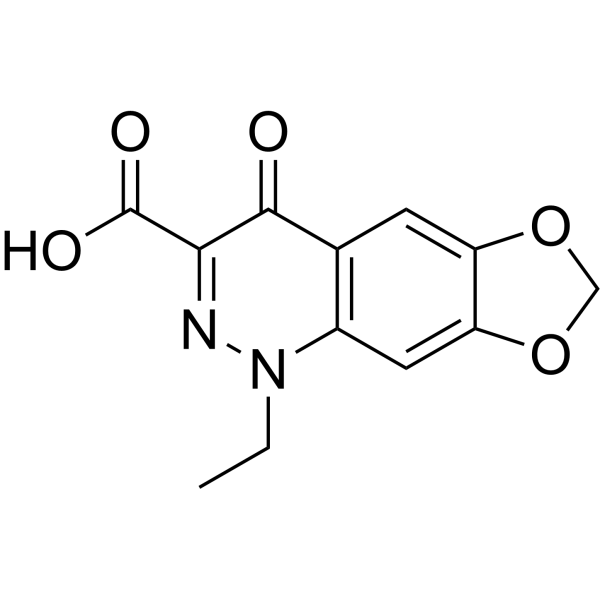 0 ImagesSynonyms: Compound 64716Cinoxacin (Compound 64716), a synthetic antimicrobial related to the quinolone class of orally active antibacterial agent. Cinoxacin has antibacterial activity against many gram-negative aerobic bacteria and inhibits bacterial DNA synthesis. Cinoxacin can be used for the research of urinary tract infections and bacterial prostatitis.
-
2-Amino-2'-deoxyadenosine
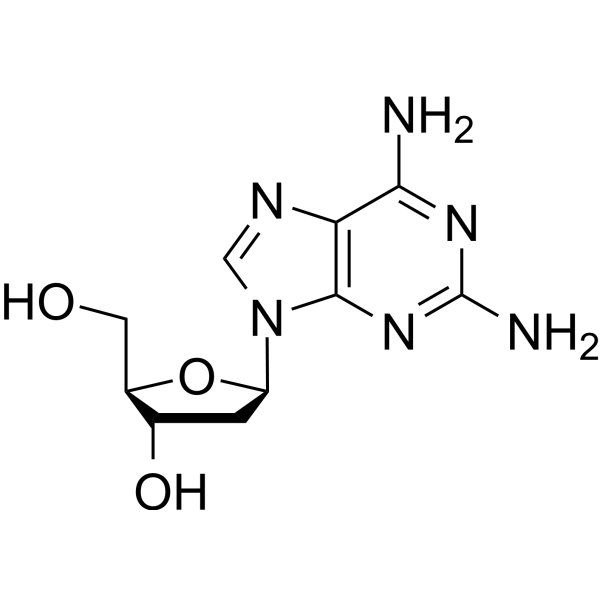 0 Images2-Amino-2'-deoxyadenosine is a deoxyribonucleoside used for the oligonucleotide synthesis.
-
Pevifoscorvir sodium
 0 ImagesSynonyms: ALG-000184Pevifoscorvir sodium is an orally active inhibitor of hepatitis B virus (HBV), and it is also a prodrug of ALG-001075 (HY-177022). Pevifoscorvir sodium can inhibit the production of HBV DNA in liver cells. Pevifoscorvir sodium can be used in the research of chronic hepatitis B.
-
5'-Deoxy-5-fluorocytidine
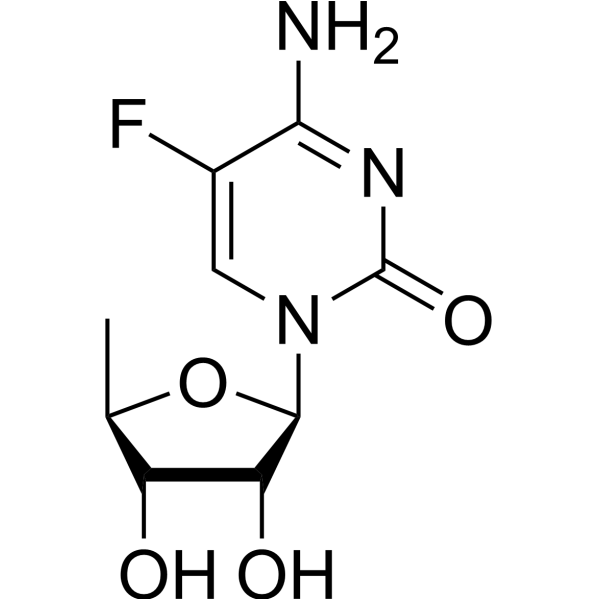 0 ImagesSynonyms: 5-Fluoro-5'-deoxycytidine5'-Deoxy-5-fluorocytidine (5-Fluoro-5'-deoxycytidine) is a cytidine analog and metabolite of Capecitabine (HY-B0016). 5'-Deoxy-5-fluorocytidine is converted from Capecitabine by carboxylesterase in the liver. 5'-Deoxy-5-fluorocytidine is deaminated by cytidine deaminase to generate 5'-deoxy-5-fluorouridine, which is finally converted into 5-fluorouracil (HY-90006) by thymidine phosphorylase in tumor tissues to exert anti-tumor effects. 5'-Deoxy-5-fluorocytidine is used in the researches for solid tumors such as colorectal cancer, non-small cell lung cancer and breast cancer.
-
Isosteviol
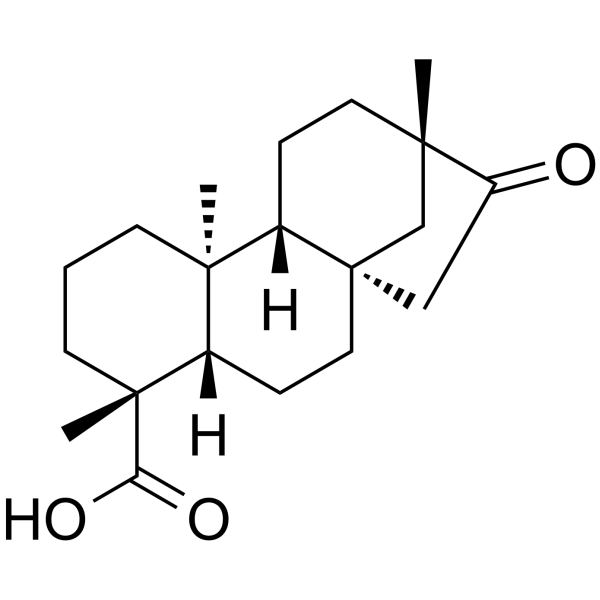 0 ImagesSynonyms: (-)-Isosteviol; iso-SteviolIsosteviol ((-)-Isosteviol) is a derivative of Stevioside through acid catalyzed hydrolysis of Stevioside. Isosteviol inhibits DNA polymerase and DNA topoisomerase and has antibacterial, anticancer and anti-tuberculosis effects.
-
KI-DX-014
 0 ImagesKI-DX-014 is a DDX21 inhibitor with high RNA-binding inhibitory activity (IC50 of 3.31 μM). KI-DX-014 targets DDX21’s intrinsically disordered C-terminal domain, inhibits DDX21-structured RNA interaction, modulates DDX21’s RNA-dependent ATPase activity, and disrupts DDX21 biomolecular condensate formation. KI-DX-014 attenuates in vitro P-TEFb release from the 7SK snRNP complex, suppresses P-TEFb-dependent RNA polymerase II CTD phosphorylation, and induces developmental defects in zebrafish embryos. KI-DX-014 acts as a chemical probe for dissecting DDX21 functions in normal physiology and disease states. KI-DX-014 can be used for cancers and neurodegenerative disorders research.
-
Coptisine Sulfate
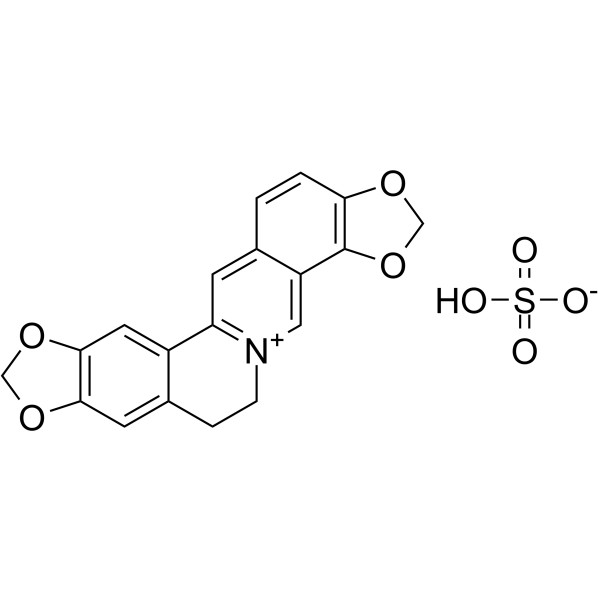 0 ImagesCoptisine Sulfate is an orally active and brain-penetrant alkaloid found in Coptis chinensis. Coptisine Sulfate is a reversible, uncompetitive IDO inhibitor with a Ki of 5.8 μM and an IC50 of 6.3 μM. Coptisine Sulfate suppresses neuroinflammation, reduces Aβ plaque burden and shows neuroprotective activity. Coptisine Sulfate shows anti-inflammation activity by blocking NF-κB, MAPK, and PI3K/Akt activation. Coptisine Sulfate inhibits cancer cells proliferation, induces DNA damage, G2/M phase cell cycle arrest, apoptosis, ROS production and mitochondrial dysfunction. Coptisine Sulfate inhibits Rho/ROCK pathway activation, reduces arrhythmia, limits cardiac injury marker release, reduces infarct size, and preserves cardiac function in rat myocardial ischemia/reperfusion models. Coptisine Sulfate downregulates HMGCR and upregulates LDLR and CYP7A1 to modulate cholesterol metabolism, reduces abnormal serum lipid levels, and promotes fecal bile acid excretion. Coptisine Sulfate be used for the research of cancer, hypercholesterolemia, Alzheimer’s disease, inflammatory disorders and cardiovascular disease.
-
FAICAR
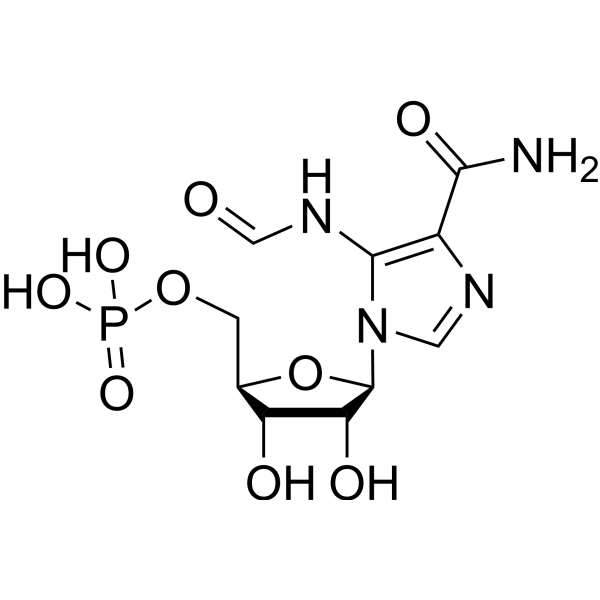 0 ImagesCat. No.: HY-133157CAS No.: 13018-54-7Synonyms: 5-Formamidoimidazole-4-carboxamide ribotideFAICAR (5-Formamidoimidazole-4-carboxamide ribotide) is a purine nucleotide and the IMP cyclohydrolase substrate of Cryptococcus neoformans ATIC. It is a key intermediate in the de novo purine synthesis pathway. FAICAR can be used in studies related to Cryptococcus neoformans infection.
-
Dornase alfa
 0 ImagesCat. No.: HY-108858CAS No.: 143831-71-4Synonyms: rhDNaseDornase alfa (rhDNase) is a recombinant human deoxyribonuclease I (rhDNase) that can specifically degrade extracellular DNA. Dornase alfa catalyzes the cleavage of DNA released by neutrophils in respiratory mucus, reduces sputum viscosity, thereby improving mucus clearance efficiency, reducing airway obstruction and alleviating inflammatory responses. Dornase alfa can be used to improve lung function (such as FEV_1) in cystic fibrosis (CF), reduce the risk of acute pulmonary exacerbations, and has good in vivo tolerability. Dornase alfa acts locally on the respiratory tract through aerosol inhalation, specifically improving the high viscosity of mucus caused by DNA accumulation and related respiratory symptoms.
-
Spermine-d20
 0 ImagesCat. No.: HY-W654342Purity: 98.47%Synonyms: NSC 268508-d20; Neuridine-d20Spermine-d20 (NSC 268508-d20) is deuterium labeled Spermine. Spermine is a natural antioxidant and anti-inflammatory agent. Spermine is known to inhibit some bacterial cultures, especially strains of Staphylococcus aureus. Spermine can reversibly inhibits DNA synthetic response, mixed lymphocyte response and the induction of cytolytic lymphocyte response in primary cultures of murine spleen cells. Spermine is a polyamine nitric oxide donor that can provide nitric oxide to platelets and inhibit platelet activation to a certain extent concentration-dependently. Spermine occurs in mammalian tissues, plants, bacteria, ribosomes and bacteriophage. Spermine tetrahydrochloride inhibits primary human embryo lung fibroblasts in vitro.
-
Acyclovir triphosphate sodium (100 mM)
 0 ImagesSynonyms: AcycloGTP sodium (100 mM)Acyclovir triphosphate (Synonyms: AcycloGTP) sodium is a Acyclovir (HY-17422) derivative that competitively inhibits viral DNA polymerase by acting as an analog to deoxyguanosine triphosphate (dGTP). Acyclovir triphosphate (sodium) (100 mM) is an inhibitor of HIV-1 reverse transcriptase. Acyclovir triphosphate (sodium) (100 mM) causes termination of viral DNA synthesis.
-
YRDC-IN-1
 0 ImagesCat. No.: HY-Q66655CAS No.: 3120494-74-5YRDC-IN-1 is a blood-brain barrier-permeable YRDC inhibitor. YRDC is a key enzyme that catalyzes the formation of N6-threonylcarbamoyladenosine at position 37 of tRNA (t6A37). YRDC-IN-1 selectively inhibits the translation of ANN codon-enriched FABP7, thereby reducing lipid droplet formation, increasing ROS, and reversing the acquired resistance of GBM to Temozolomide (TMZ) (HY-17364). YRDC-IN-1 can be used for the research of glioblastoma.




